This article was exclusively written for The European Sting by Mr. Ahmed Eisa, a medical student. He is affiliated with the International Federation of Medical Students Associations (IFMSA), cordial partner of The Sting. The opinions expressed in this piece belong strictly to the writer and do not necessarily reflect IFMSA’s view on the topic, nor The European Sting’s one.
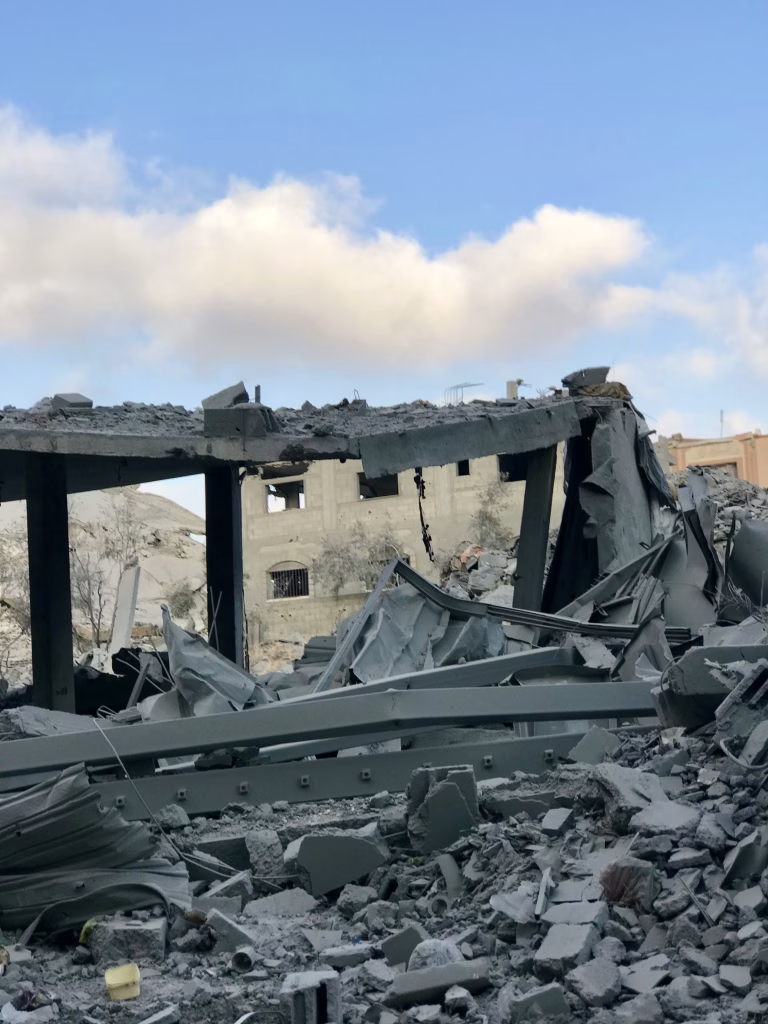
Sudan, is an Arab African country located in Northeast Africa. Sudanese are dying with the most recent conflict that broke out in Sudan in April 2023. The war has resulted in the displacement of millions of people with many forced to flee from their homes and seek refuge in camps or urban areas. The conflict has also led to a widespread destruction of infrastructure, including healthcare facilities, leaving many people without access to essential healthcare.
The healthcare sector is the first and most affected one by war and displacement of health personnel. In Sudan my home country we are facing an aggressive war as it is the biggest displacement ever . There are over 10 million Sudanese had been displaced. Accessing to healthcare has been almost impossible, healthcare facilities are often under-resourced, lacking essential medical supplies, equipment, and personnel and there is no enough healthcare facilities working during war neither medical staff. Many areas are inaccessible due to conflict, making it difficult for healthcare workers to reach affected populations. Despite the fact that healthcare workers face security risks, including violence, kidnapping, harassment and death.
Women and children are the most affected by wars and displacement .
The healthcare system has collapsed and the need is increasing day by day.
The war is completing its second year and people still suffering, displacement and food insecurity which led to widespread malnutrition, particularly among children and pregnant women. Women haven’t got any care . Pregnant women and children are particularly vulnerable to horrible consequences due to absence of healthcare .
Many pregnant women were enforced to give birth in unsanitary conditions, leading to high rates of maternal and infant mortality .
This displacement made it hard to seek for medical care. All of the people who had gone to the rural areas away from the capital failed to get shelters as the villages were not ready for these big numbers of people so outbreaks of some diseases happened in many places.
The lack of access to clean water, sanitation, and healthcare has led to sporadic forms of dengue fever, malaria, measles, poliomyelitis (polio), and rubella .
The conflict is resulting in a high number of injuries and trauma, including gunshot wounds, accidents, amputations, and burns. Let’s not forget the trauma and stress caused by conflict and displacement have resulted in high levels of mental health disorders, including anxiety, depression, post-traumatic stress disorder (PTSD) and psychosis among young and elderly people.
Sudan has known as Global Food Basket but now because of the war Sudan is facing the biggest hunger crisis in the world. The war cost is huge as we can see in many states in Sudan . So it is essential that the international community provides support including humanitarian aid, healthcare services, and protection. All healthcare sectors and governmental & International organizations must work together to address the health needs ensuring that they receive essential medical care and support.
Share this Sting:

Discover more from The European Sting - Critical News & Insights on European Politics, Economy, Foreign Affairs, Business & Technology - europeansting.com
Subscribe to get the latest posts sent to your email.





Why don't you drop your comment here?